

My approach to school-based handwriting intervention is simple: keep it functional, efficient, measurable, and connected to the demands of the school day.
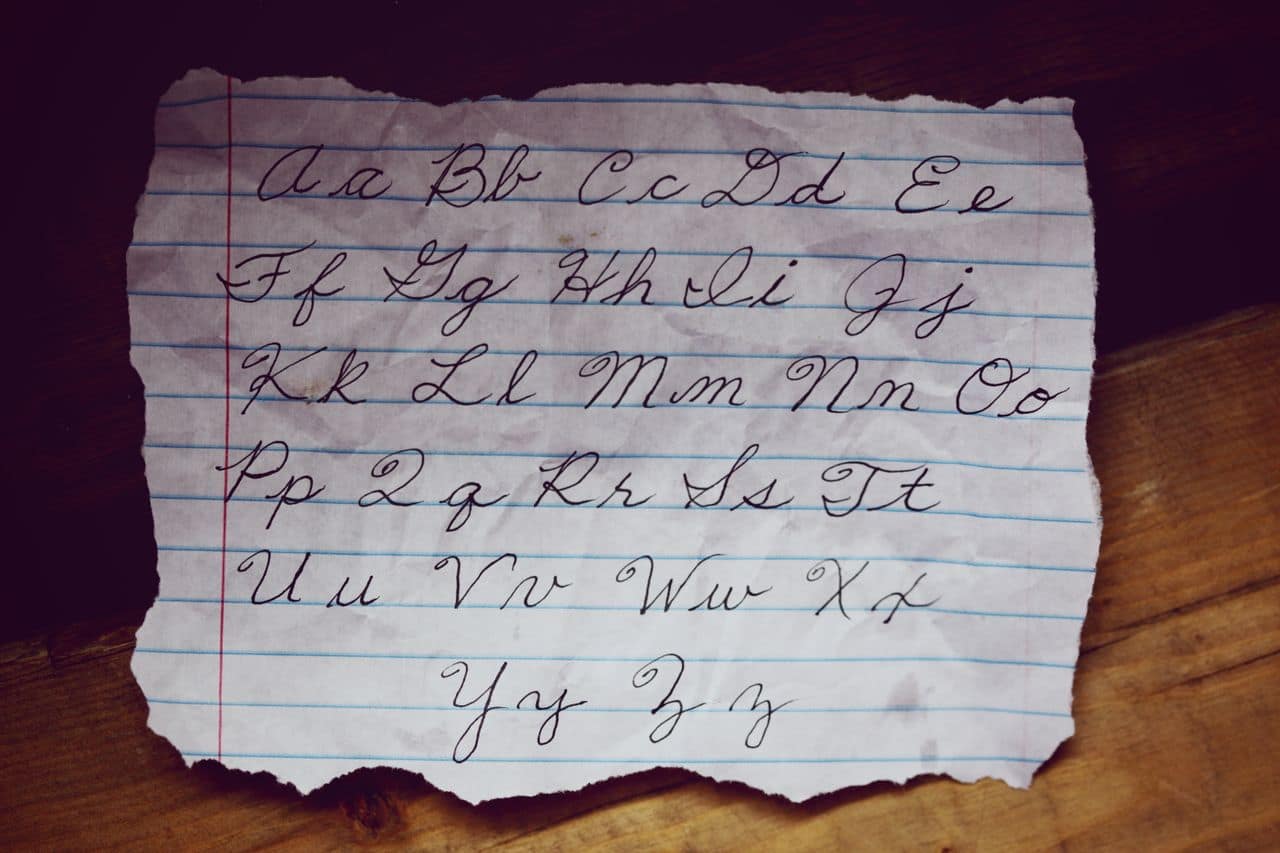
In school-based occupational therapy, handwriting support should go beyond isolated fine motor activities. The goal is to help students participate more successfully in real classroom tasks. That means looking at not only how a student forms letters, but also how efficiently, consistently, and independently they can write during everyday school activities.
I use a structured, data-driven approach that combines:
- Explicit handwriting instruction
- Short, focused practice
- Fluency-building strategies
- Progress monitoring
- RTI/MTSS decision-making
- Educational relevance
A major part of this approach is asking the right question:
Is the student improving enough with targeted instruction, or is additional support needed?
Rather than relying only on observation or lengthy handwriting practice, I believe therapists and educational teams should be able to collect simple data, track progress over time, and use that information to guide intervention decisions.
The 10-Minute Handwriting RTI System
The 10-Minute Handwriting RTI System was developed around the idea that handwriting intervention does not need to consume large blocks of instructional time to be effective.
10 Minutes of Focused Practice: Short, repeatable practice sessions that can fit realistically into the school day.
Systematic Instruction: Clear teaching of letter formation, size, spacing, directionality, and automaticity.
Data That Drives Decisions: Simple progress monitoring and charting to help teams determine whether intervention is working.
RTI/MTSS Alignment: A framework that can be used within tiered intervention models to support students before automatically moving toward more intensive services.
Student Participation: The ultimate goal is not perfect handwriting. It is helping students write efficiently enough to participate successfully in classroom routines and academic tasks.
For School-Based OTs
This approach is designed to help therapists move away from:
“The student has poor handwriting, so they need OT.”
and toward:
“What specific handwriting skill is interfering with participation,
what intervention can we provide,
and what does the data tell us about the student’s response?”
That shift allows school OTs to make more confident, educationally relevant decisions while supporting students in a practical and sustainable way.
Handwriting intervention should not be based on guesswork.
Teach it. Practice it. Measure it. Use the data to decide what comes next.